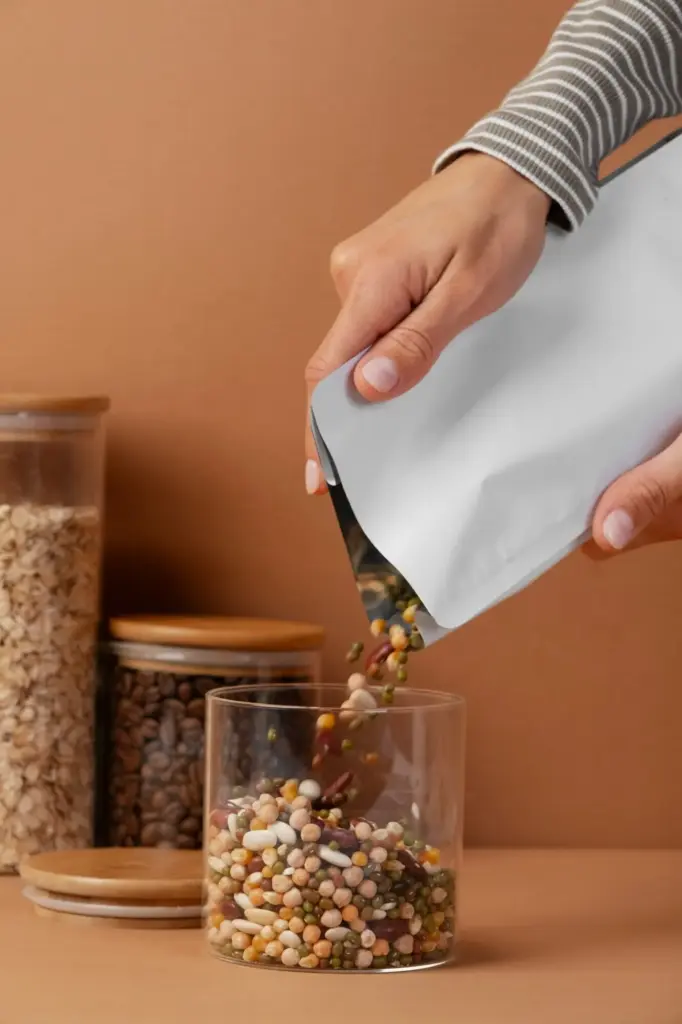
Turn Your Home Into a Smooth-Running Refill Hub

Today we dive into how to set up a home refill station for daily household products, building a tidy, affordable, and planet-friendly routine that genuinely sticks. Expect practical layouts, safety tips, sourcing ideas, and habit tricks, plus stories that make the process approachable, repeatable, and a little bit fun. Subscribe for printable checklists and share your progress or questions in the comments.

Start With a Smart Plan and Clear Purpose

Before buying containers or decanting your first liter, look at how your household actually moves. Map high-use items, locate bottlenecks, and plan a simple path from bulk storage to daily use. Planning now prevents spills, confusion, and clutter later, saving money and patience. Tell us which product slows you down most, and we’ll help streamline it next.

Containers That Work Harder Than Packaging

The right vessel makes every refill safer, faster, and more satisfying. Match container materials to product chemistry, pick sizes aligned with your usage, and standardize closures. Invest once, label clearly, and you’ll stop buying mismatched bottles that leak, crack, or frustrate everyone.

Finding Reliable, Responsible Refills

Sourcing shapes everything. Favor vendors that disclose ingredients, offer returnable containers, and ship with minimal packaging. Combine local pickups with periodic bulk orders to balance convenience and cost. Track what actually works so you stop chasing novelty and start enjoying consistency.
Visit neighborhood shops with bring-your-own-container policies. Ask for ingredient lists, allergen notes, and dilution guidance. Many provide loyalty credits and community advice. You’ll learn faster from real conversations, avoid shipping waste, and meet neighbors already living the refill lifestyle.
Choose concentrated formats, recycled content jugs, and suppliers that take back boxes and liners. Consolidate orders quarterly to reduce emissions. Compare cost per 100 milliliters, not sticker price. Reliable shipping windows help you plan refills before anything runs dangerously low.
Many household staples are easier as concentrates. Buy or mix high-strength formulas, then dilute on demand with distilled water for longer shelf life. Keep recipes in a binder. Clear ratios eliminate guesswork and keep performance steady across seasons.

Hygiene, Safety, and Zero-Mess Transfers

Clean handling keeps products effective and your household safe. Sanitize containers, air-dry completely, and label every transfer with dates and batch notes. Store chemicals responsibly, separate acids from bases, and protect skin and eyes. Thoughtful routines prevent accidents and protect trust.

A Clean Decanting Ritual

Rinse with hot water, then sanitize with alcohol or boiling water as appropriate for the material. Let everything dry fully to avoid dilution or microbial growth. Use a tray to catch drips, and keep towels and gloves ready for quick cleanup.

Know Your Shelf Life

Check manufacturer guidance and note opened-on dates. Water-based products need preservatives and usually expire faster than concentrates. Store away from heat and sunlight. If smell, texture, or color shifts, pause use, investigate, and consider smaller batches for sensitive formulas.

Routines That Keep Refilling Effortless

Consistency beats bursts of motivation. Build a repeatable rhythm, share the workload, and celebrate little wins. A ten-minute weekly reset can prevent twenty-minute messes. Turn refilling into a small ritual, add music, and invite family members to personalize their stations.

Create a Refill Rhythm

Pick a weekly slot, like Sunday afternoon. Combine decanting with a quick wipe-down, label updates, and inventory checks. Ritualizing the process means fewer shortages and smoother mornings, especially before school runs or late-night laundry emergencies.


Make It a Family Collaboration

Assign friendly roles: one person cleans funnels, another logs dates, someone else tops up hand soap stations. Reward consistency with small treats. Shared ownership builds responsibility, and the station actually gets used rather than forgotten behind closed doors.

Track, Save, and Celebrate Impact

Simple numbers make motivation visible. Log costs, volumes, and packaging avoided, then compare month to month. Watch your bin space grow and your spending shrink. Share wins with friends, and invite readers to comment with their favorite low-waste swaps.
Lininelurozinotata
Privacy Overview

This website uses cookies so that we can provide you with the best user experience possible. Cookie information is stored in your browser and performs functions such as recognising you when you return to our website and helping our team to understand which sections of the website you find most interesting and useful.